Articles on best Rolling Stones albums and songs

Rolling Stone: 100 Best Rolling Stones songs

Esquire: Rolling Stones Studio Albums, Ranked

My top five Rolling Stones Albums:

  1. Exile on Main St.
  2. Let It Bleed
  3. Beggars Banquet
  4. Sticky Fingers
  5. Aftermath

I haven’t listened to all of their albums, especially the later ones.

Exile on Main St. has really grown on me since 1972. There is no one song that is among their best but the album as a whole is the finest demonstration of the Stones’ love of American music – country, blues, 1950s rock and roll. Although it was not all recorded and written and the same time, it sounds like it was.

Beggars Banquet sounds like it was recorded in one group of sessions because it was. It got back to the roots after the psychedelic period. Sticky Fingers and Let It Bleed don’t hang together as albums. They display their roots as collections of songs recorded at different times. Let It Bleed is better because it has stronger songs. No song on Sticky Fingers ranks with “Gimme Shelter” or “Let It Bleed”. No song on Let It Bleed is as weak as “I Got the Blues”.

Aftermath (which had different UK and American releases) has some of the best early Stones songs such as “Under My Thumb” and “Out of Time” in addition to “Mother’s Little Helper” (UK) or “Paint It, Black” (US).

I finally saw the Stones in concert in 2006. I was impressed how they could play two hours without going to the bathroom. They played a very safe playlist that was mostly greatest hits. They can afford great sidemen like Blondie Chaplin (singer on the Brach Boys “Sail On Sailor” and Chuck Leavell (Allman Brothers keyboard player starting on Brothers and Sisters). Lisa Fischer did a great job with her powerful vocals on “Gimme Shelter”. Even though the concert was excellent, there was something missing. One of the great things about the early Stones was their rebelliousness. Now, they’re the establishment with commercial sponsors.

The Rolling Stones had not played Baltimore since 1969. Baltimore loses out on many big concerts because the arena is small (capacity of about 12,000) and it’s a dump from the early 1960s. The top ticket price in 1969 was $7.50. Ticket prices in 2006 were $400 and $160.

Notes on Exile On Main Street

Three miscellaneous notes on the great 1972 Rolling Stones album

The Butter Queen was real

The lyrics to “Rip This Joint” include the line “‘Cross to Dallas, Texas with the Butter Queen”. The Butter Queen was a real person. She used a stick of butter for sex acts. Here’s more information on her.

Three Ball Charlie

Three Ball Charlie is the guy with three balls in his mouth on the Exile on Main Street cover. His picture has also been on t-shirts. He was a sideshow performer. Here’s Mick Jagger wearing a tank top with his picture.

The Exile on Main Street album cover and postcards

The album cover and interior contents were designed by John Van Hamersveld (born in Baltimore. He designed many album covers including Magical Mystery Tour by the Beatles.

The picture is of a small poster signed by John Van Hamersveld of part of a billboard advertising the album when it was released. The poster was in color.

Here are two articles on it:

Cover Story – The Rolling Stones’ “Exile on Main Street”, with artwork by John Van Hamersveld

The impact of John Van Hamersveld’s artwork on The Rolling Stones’ ‘Exile on Main Street’

The photographs on the outside are by Robert Frank. The postcards use photographs by Norman Seeff.

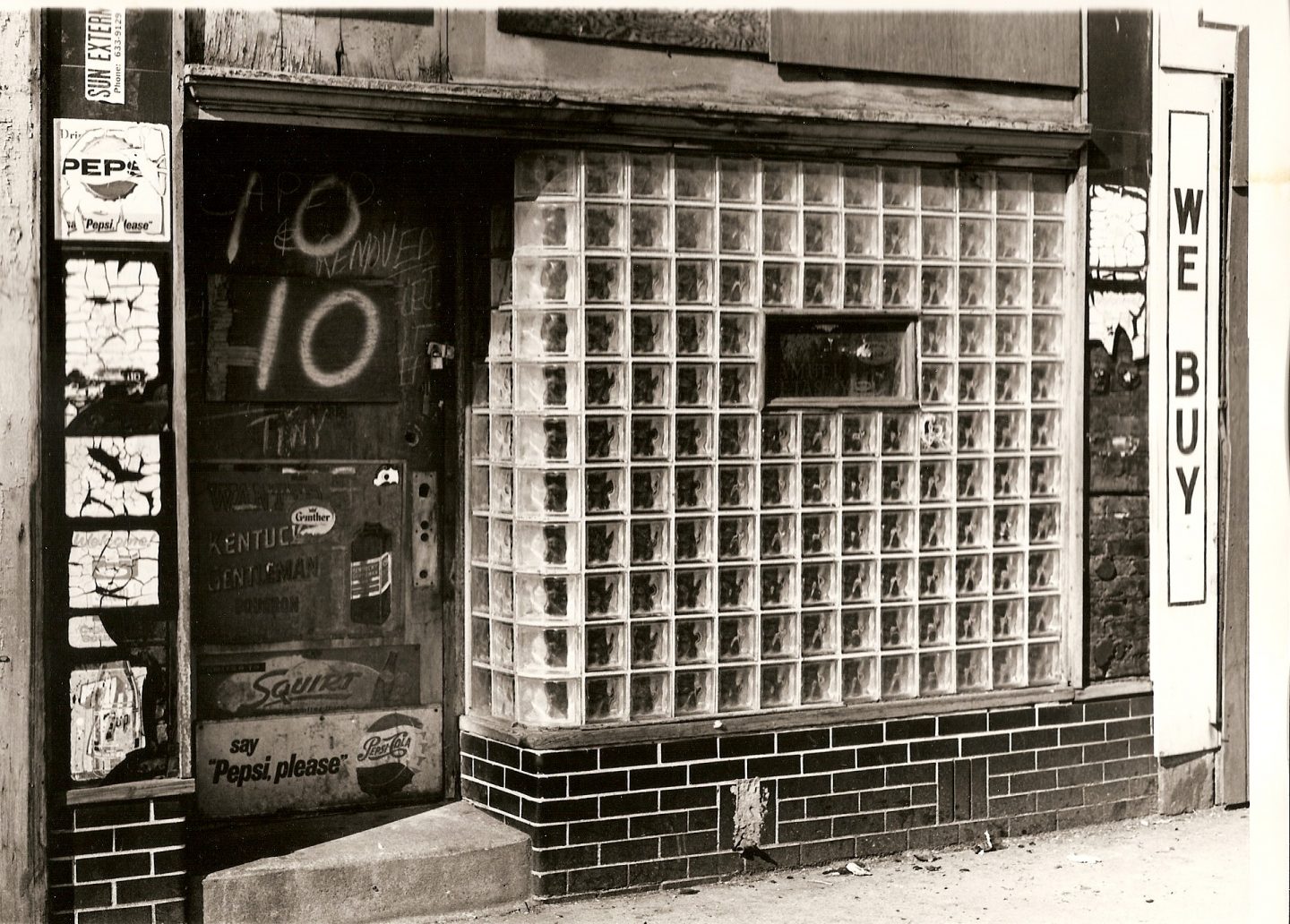
Tattoo Parlor by Robert Frank – used on the cover

Nashville Skyline is 50

Bob Dylan’s Nashville Skyline was released on April 9, 1969. It continued the country leanings of the last two songs on his prior album John Wesley Harding. It was a lot different than the albums he had produced just a few years earlier of image-laden organ-drenched pounding rock.

This was a straight country album and didn’t seem very ambitious. It was peaceful during a really turbulent time. The best songs have held up well – I prefer “I Threw It All Away” and “To Be Alone With You” to the hit “Lay Lady Lay”.

Covers: Carol

Chuck Berry recorded his song “Carol” in 1958. The Beatles performed it for the BBC in 1963 but that wasn’t released until 1994. The Rolling Stones also covered it in 1964. Both bands just sound really young to me. The Rolling Stones also covered it live in 1969; this is a much more confident and relaxed version.

A recent cover – a timeless song

Covers: Door Number Three

These are not really covers. They are two versions by the song’s co-authors, Steve Goodman and Jimmy Buffett. The song makes references to the TV show “Let’s Make a Deal” and name-checks three actual people on the show, the host Monty Hall and his sidekicks Jay (Stewart) and Carol Merrill. Buffett’s version was released in 1974 and Goodman’s version was released in 1975. Goodman’s version quotes lines from Bob Dylan’s “Like A Rolling Stone” which end with “Do you want to make a deal?”. Buffett’s version has some lines at the end that are not in Goodman’s recording.

example of Let’s Make a Deal

Covers: Elvis Costello – Get Happy!!

Get Happy!! (1980) is a very underrated album by Elvis Costello. Influenced by R&B, Elvis crammed 20 brief songs into the album. The reissue has 30 bonus tracks! Most were original but there were two covers. Both were great but very different from the original versions.

I Can’t Stand Up for Falling Down

The 1967 original version by Sam and Dave was a slow ballad. Elvis really speeds it up. It was released as a single.

I Stand Accused

The original version was by Jerry Butler (1964). It was covered by Isaac Hayes (1970). Both of these versions are slow ballads. Elvis again cranks it up and speeds it up.

Blues guitar instrumentals from the 1950s

These were classified as blues but I think you can call them R&B too. They feature three of the best guitarists of the era playing loud.

“Canton Mississippi Breakdown” (1954) has Elmore James and Ike Turner on guitar.

“Boogie Uproar” (1953) is by Clarence “Gatemouth” Brown. “Space Guitar” (1954) is by Johnny “Guitar” Watson.

The sax solos look back to the 1940s but the guitar solos are headed into the future.